Best Sports Betting Projection Tools for 2026
Projection Tools for Sports Betting
Every tool with projection functionality

SharpMoney
Pre-game +EV with sharp market indicators.

Final3rd
Soccer stats, AI predictions, and betting data in one place.

RotoBot
AI betting chatbot for casual bettors.
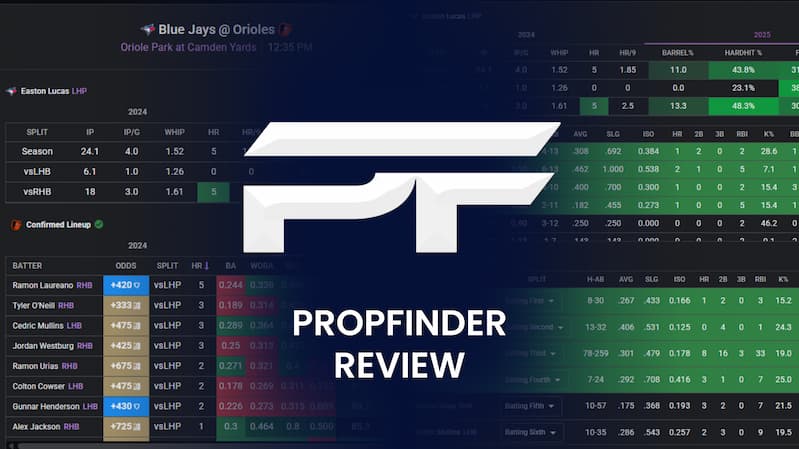
PropFinder
In-depth player prop research tool for all major sports leagues.
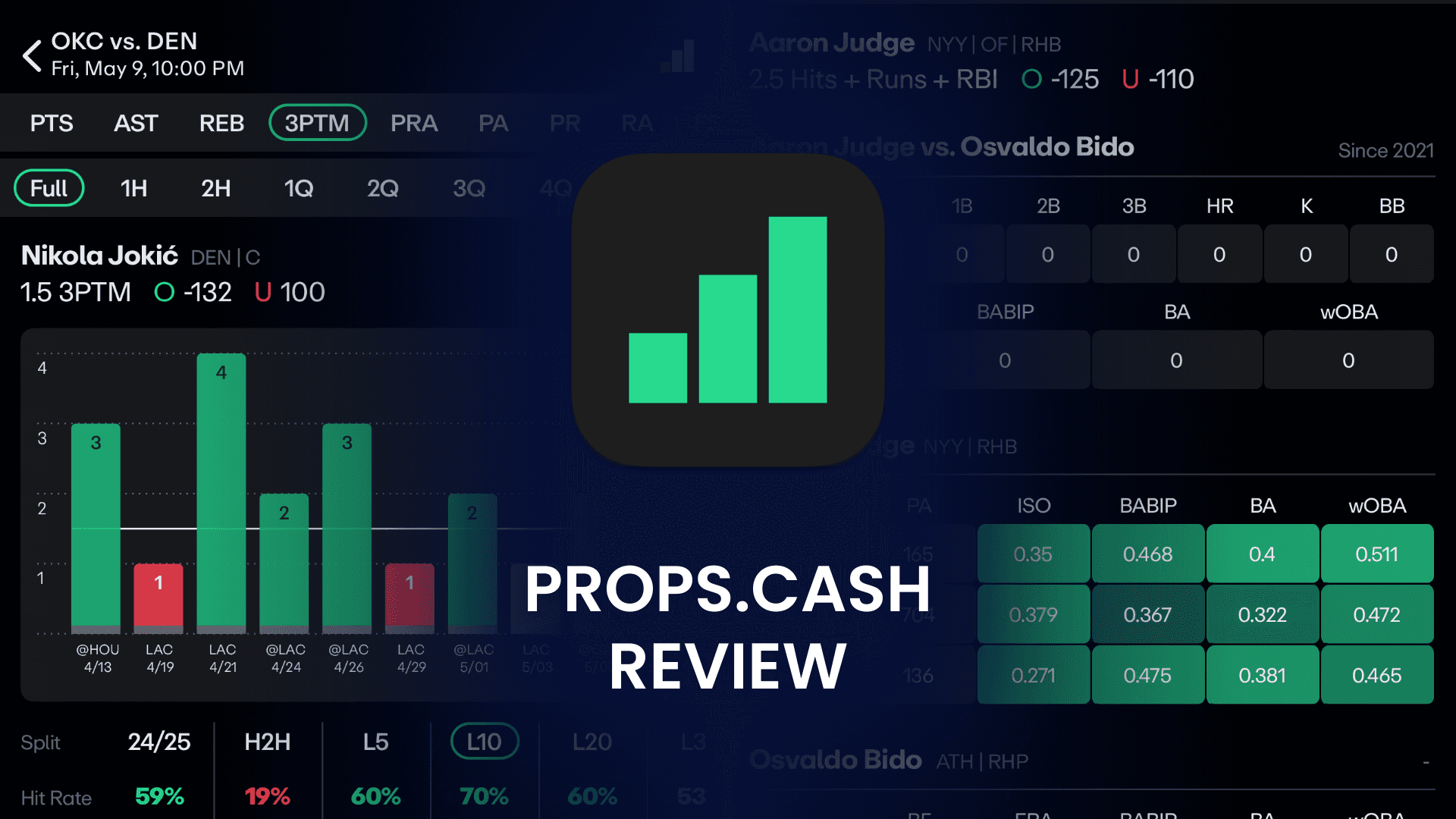
Props.Cash
Quickly analyze player props using real-time stats, historical data, and intuitive filters.
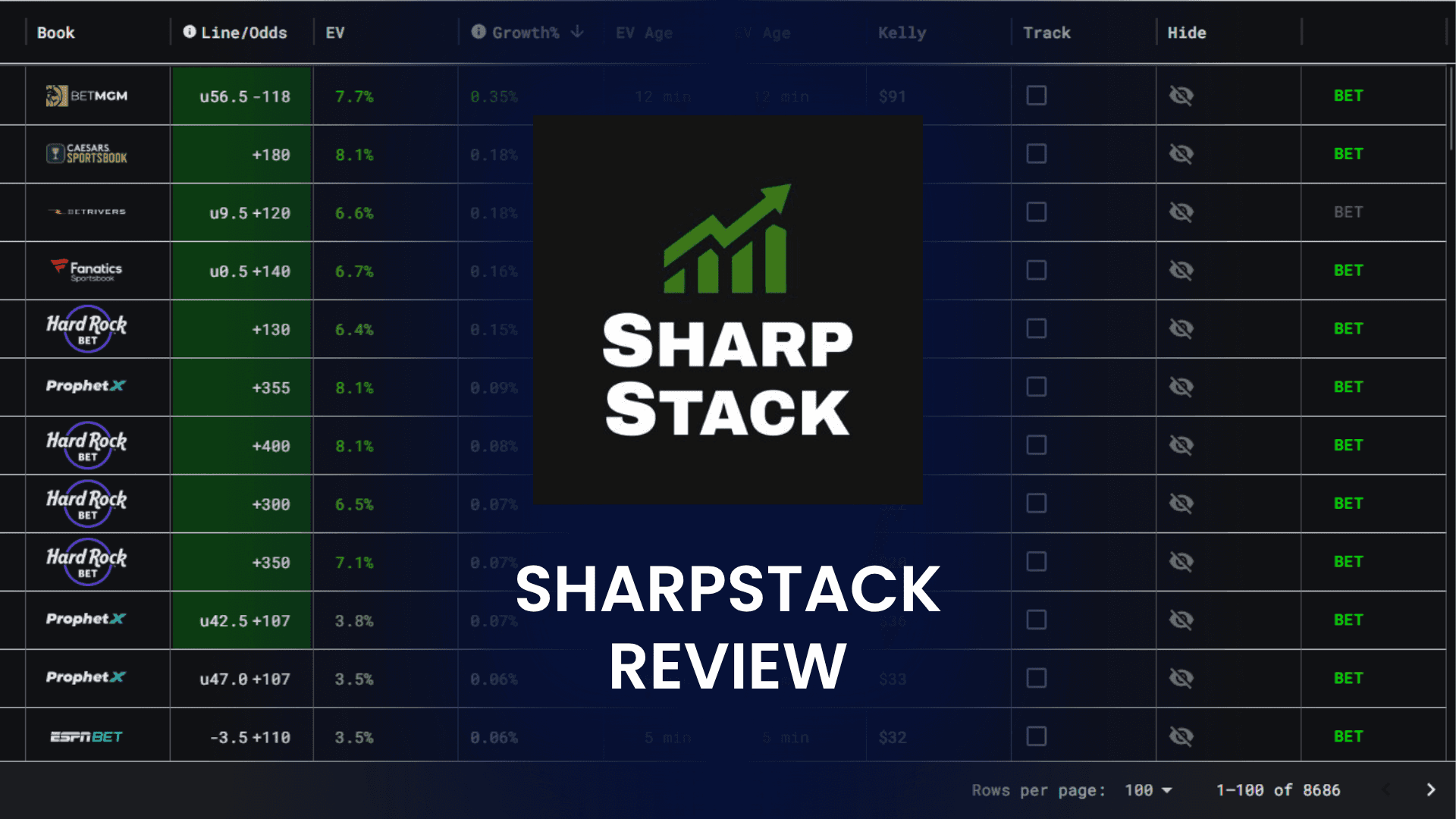
SharpStack
4for4's pre-game +EV and arbitrage tool with real-time odds, bet tracking, and projections.

Action Network PRO
Access to sharp insight reports, exclusive content, and community.
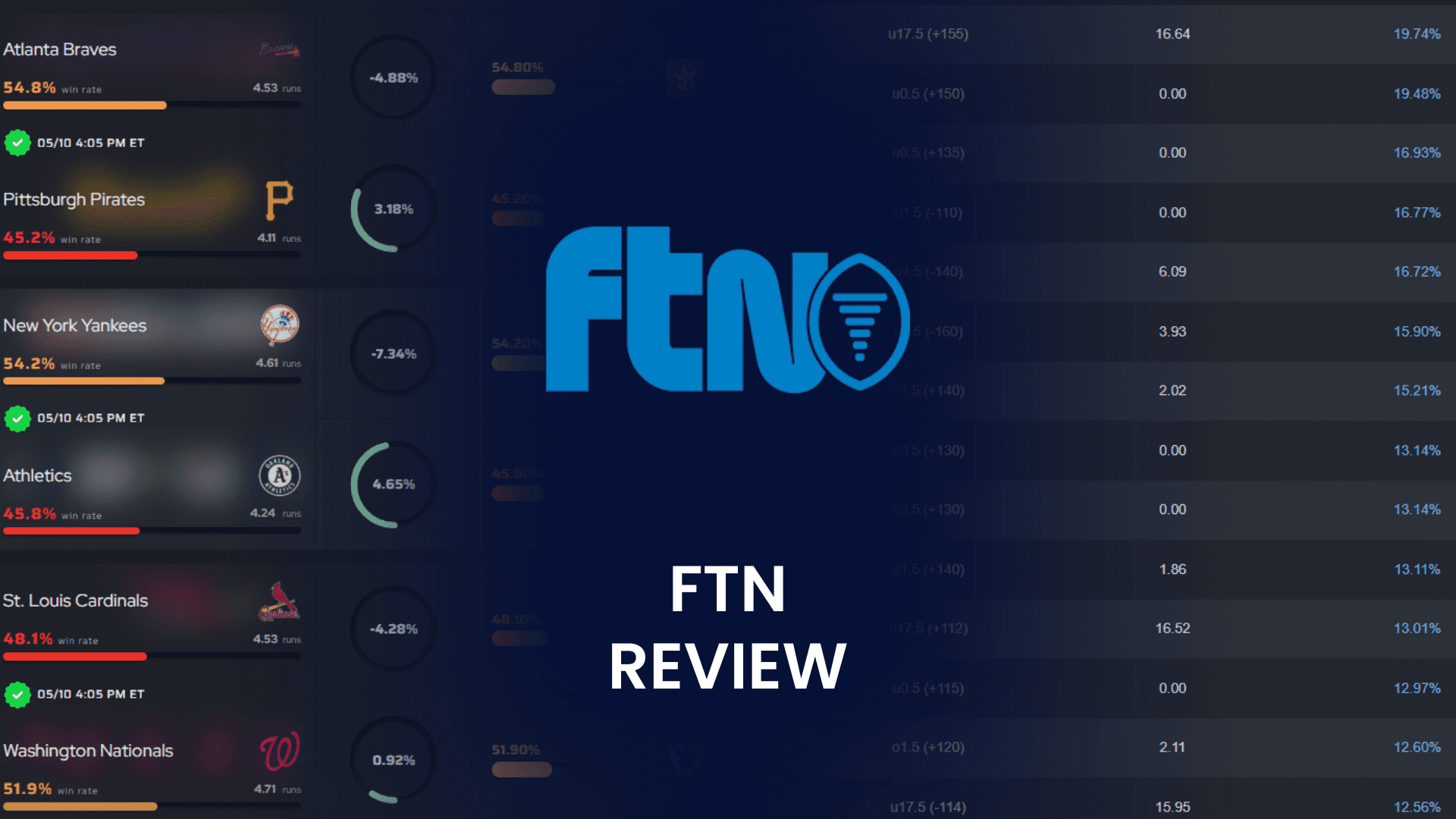
FTN
Comprhensive sports betting and DFS tool with data, projections, education, community, and more.

Juice Reel
AI sports betting predictions and a smarter way to track, analyze, and learn from every bet you place.

Dimers Platinum
AI-backed college football bets with an immaculate track record.

Bettor Odds
Nuanced expected value, arbitrage, & projection software with community.

Unabated
Impressive real-time prop & game line odds screen with betting calculators, simulators, & projections.

LineProphet
Multi-faceted sports betting tool with projections, AI, advanced data, and more.

HOF Bets
Sports analytics research platform focused on parlays & SGP bets.
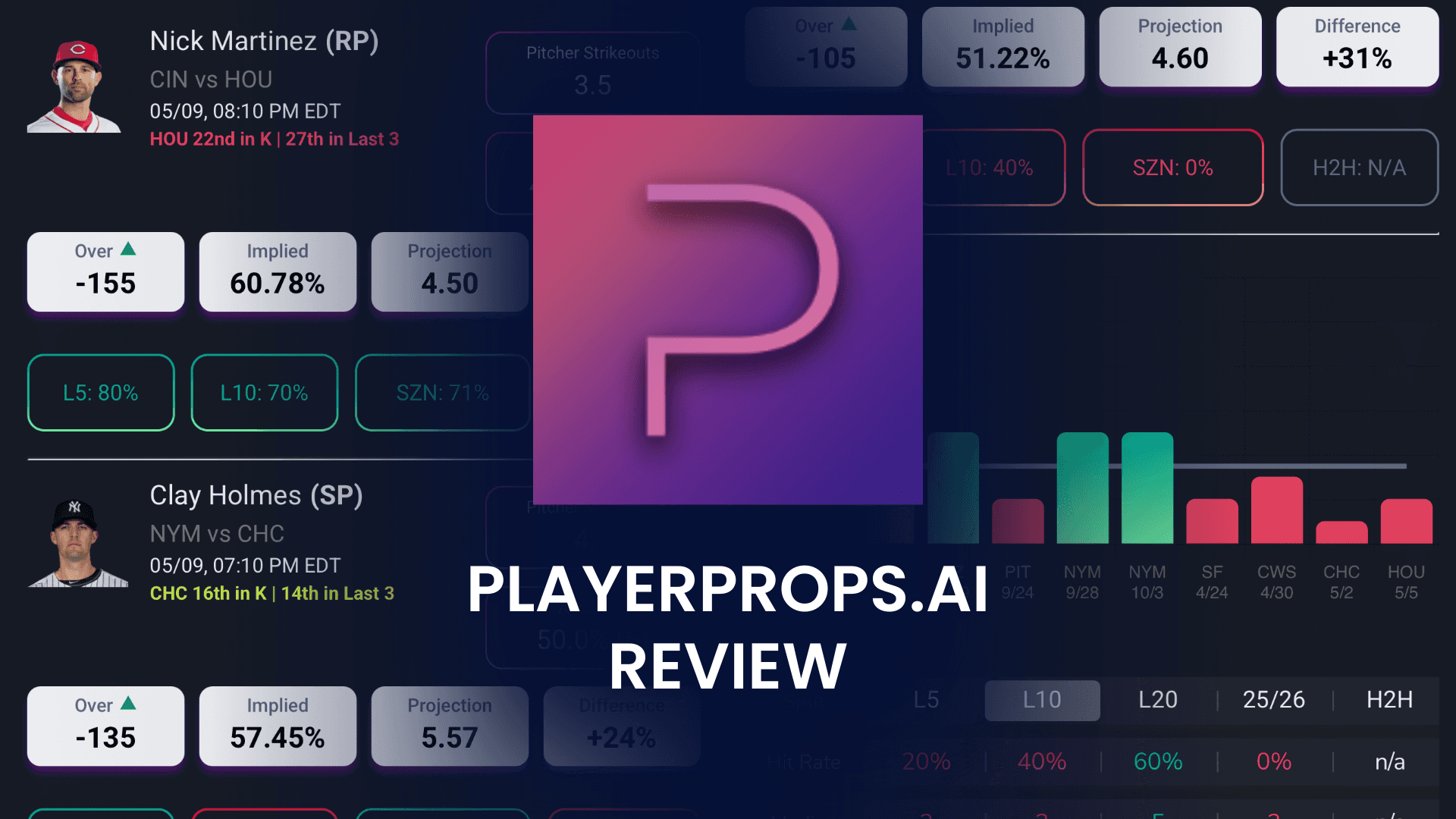
Playerprops.ai
AI-backed player prop and game line research & projections.
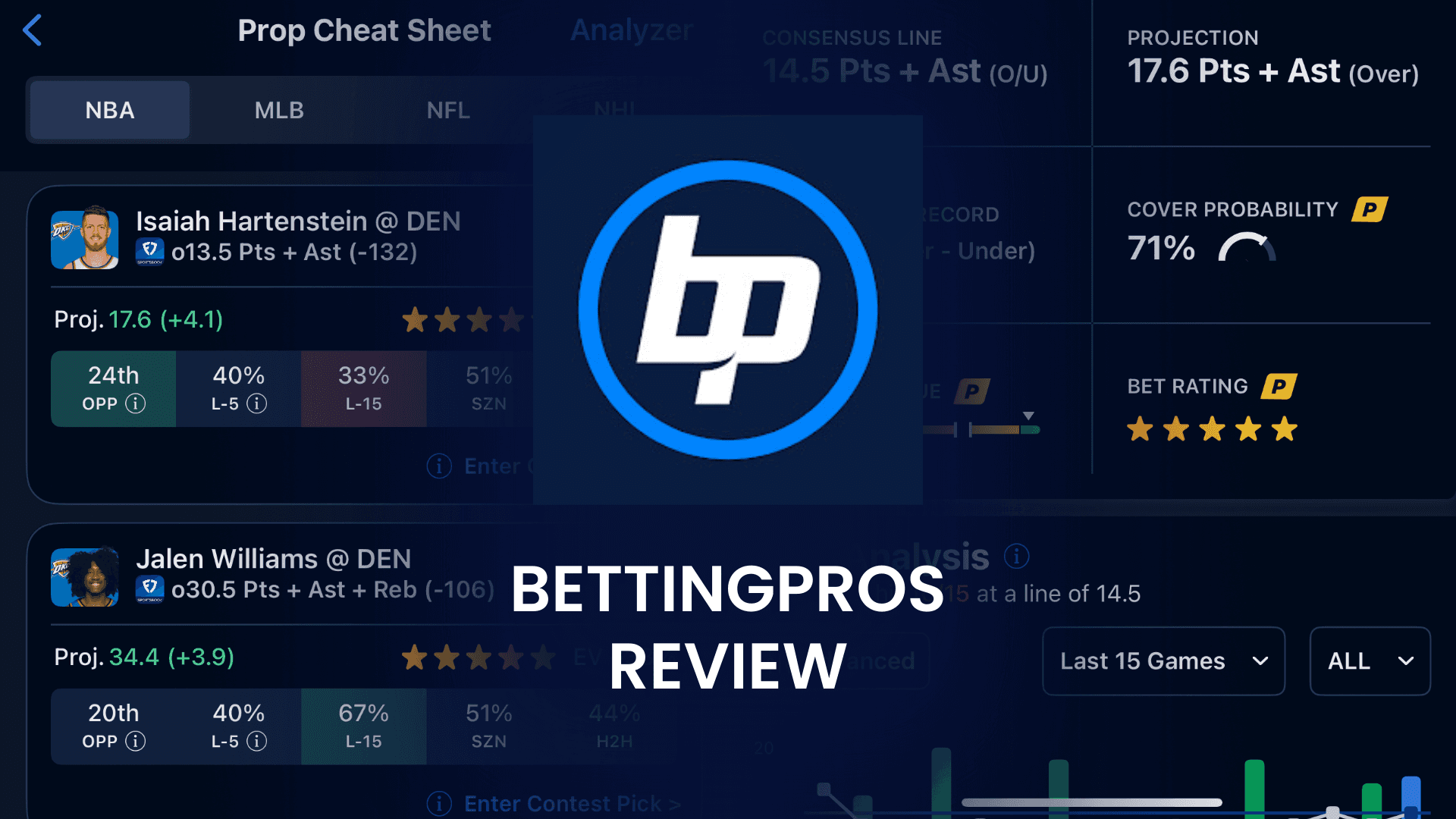
BettingPros
Model-backed game picks, player prop research, and premium content from experts.
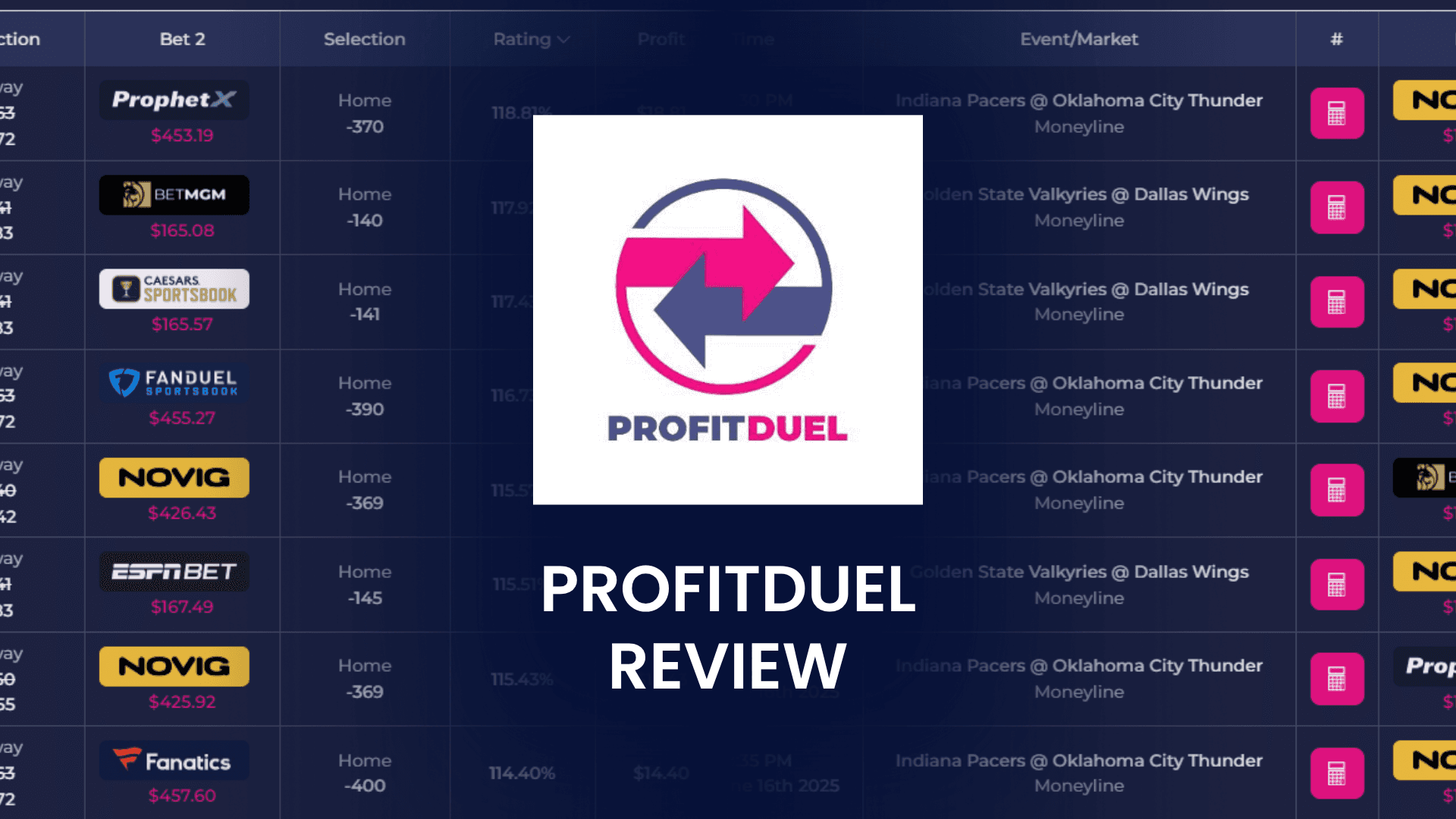
Profit Duel
Convert sportsbook & iCasino promos into cash.

Dimers Pro
Projections, betting picks, and predictions across major sports markets.
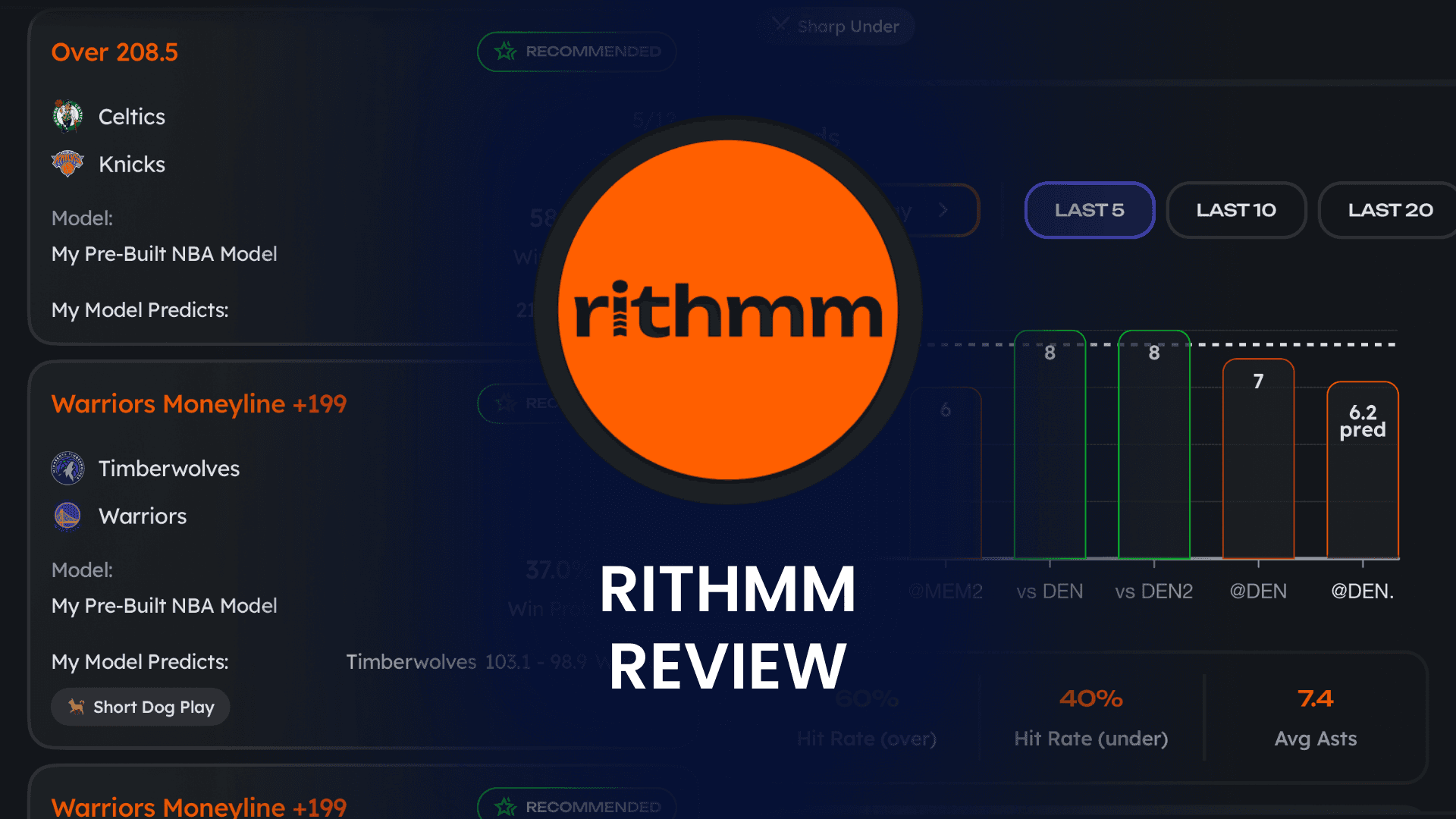
Rithmm
Create custom AI-backed sports betting models and research bets in minutes.
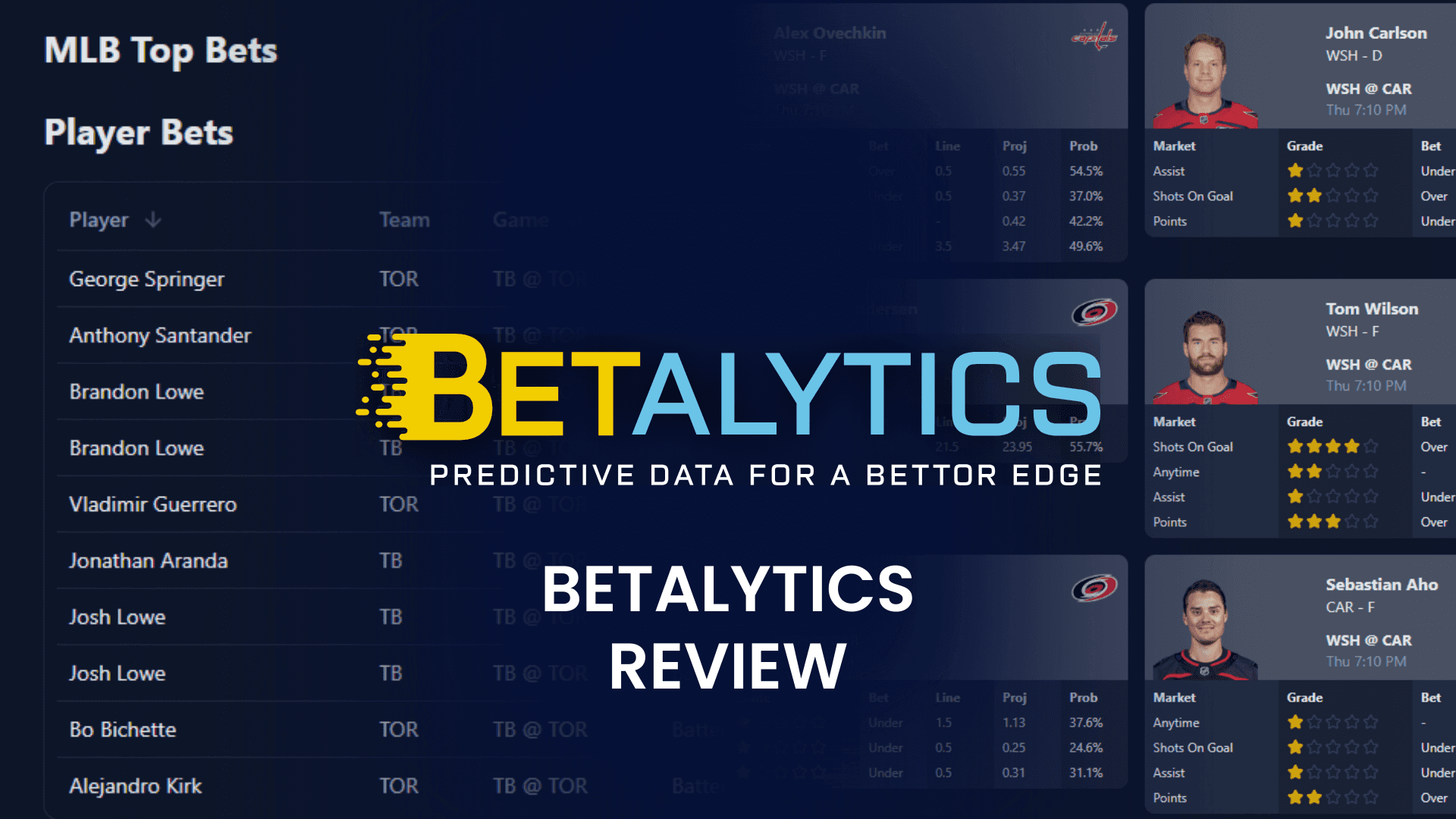
BetAlytics
Deep learning models and a proprietary rating system for predicting player props and game lines.

ShotQuality Bets
Advanced basketball data and predictive models to identify betting edges in basketball markets.

Linemate
Parlay and trend-centric research platform for player props and game lines.

PropsMadness
Advanced visual prop research with park and weather data across MLB, NBA, WNBA, and the World Cup.
Learn More About Projection Tools
Explore our curated selection of guides and tools to help promote responsible gambling.
Player Prop Projections: Using Data for Projecting Lines
Looking for player prop projections you can trust? Learn how to turn projected stats into smarter bets with research tools designed for prop betting.
Best Player Prop Tool: What to Look For and Why It Matters
Looking for the best player prop tool? Explore top prop bet software and research platforms designed to help you bet smarter and make more cash on every game.
Player Prop Analyzer: Tools to Find Sharper Prop Bets
A player prop analyzer pulls game logs, hit rates, projections, and live prices into one screen. Here is how to use one, and which options are worth paying for.
Explore All Features
Player Props

Guides on player prop research, projections, and hit rate data to sharpen your prop betting.
+EV

Tools with positive expected value features
Arbitrage

Discover the top arbitrage betting tools for 2026. Compare odds across sportsbooks, spot sure bets in real time, and learn how to grow your ROI.
AI Tools

Tools that leverage AI
Odds Comparison Tools
Tools that compare odds across multiple sportsbooks to find the best value
Projections
Tools with projections in different markets.
Community

Tools with thriving communities within their app or on Discord
Bet Tracking Apps

Tools with bet tracking
Real-Time Odds
Tools with real-time line movement
What Are Sports Betting Projections?
Sports betting projection tools use statistical models, historical data, and algorithms to forecast game outcomes, player performances, and betting markets. Instead of leaning on gut instinct, they hand you data-driven estimates that help you spot where a sportsbook has set an inaccurate line.
At their core, projections answer one question: what should the line be? When a tool projects a player for 22.5 points and the sportsbook posts 19.5, that gap is where potential value lives. The wider the gap between a solid projection and the posted line, the stronger the edge.
How Projection Tools Work
Projection models analyze large datasets to estimate outcomes. The inputs usually include:
Historical performance data. Season averages, recent form, and situational splits such as home versus away or performance against a given opponent type.
Matchup context. Opponent strength, defensive rankings, pace of play, and head-to-head history.
External factors. Injuries, weather, rest days, lineup changes, and travel.
Market data. How lines move across sportsbooks, which hints at where sharp money is going.
Stronger tools combine these inputs with regression models, machine learning, or proprietary algorithms to produce numbers that hold up better than the general market over a full season.
Top Sports Betting Projection Tools in 2026
The projection landscape in 2026 has options for both casual bettors and serious modelers, and each tool takes its own approach. For discounts on the top options, check our best sports betting tools roundup.
Pine Sports
Pine Sports pairs AI-driven projections with an interface that keeps complex data readable. It covers multiple sports with detailed player and team numbers, which makes it a strong fit for bettors who want data-backed insight without building their own models. Read our Pine Sports review.
Props.Cash
Props.Cash focuses on player prop projections, with deep historical stat breakdowns and trend filters. If props are your main market, it gives you the granular data to compare a projection against the sportsbook line in seconds. Check out our Props.Cash review.
Unabated
Unabated hands you the tools to build custom projection models yourself. With no-vig lines, market analysis, and devigging features, it fits experienced bettors who would rather create their own edge than lean on someone else's model. Read our Unabated review.
SharpStack
SharpStack folds projections into +EV and arbitrage features for an all-in-one workflow. Its models cover the major sports and connect straight to its betting tools, so you can move from analysis to a placed bet in one place. Check out our SharpStack review.
How to Use Projection Tools Effectively
A projection only helps if you know how to apply it. Here is how to turn raw numbers into bets worth making.
Compare Projections to Sportsbook Lines
The main job of a projection is exposing gaps between what the model predicts and what the sportsbook offers. Look for markets where the projection sits well off the line, because that is where value tends to hide. The more confidence you have in the number, the harder you can press the discrepancy.
Cross-Reference Multiple Sources
No single model is right every time. Sharp bettors run two or three tools and compare the outputs. When several models agree on a number that differs from the sportsbook line, your confidence in the edge goes up. When they disagree, treat it as a cue to dig deeper or pass on the bet.
Combine Projections With Line Shopping
Once you find a projection-based edge, use odds comparison tools to lock in the best available price. A strong projection paired with the best number squeezes the most expected value out of every bet.
Projections by Sport
Projection accuracy and usefulness shift from sport to sport.
NBA. High data volume makes projections more reliable, and player props are especially strong thanks to consistent minutes and usage patterns.
MLB. Pitcher matchups and ballpark factors create clean modeling opportunities. The best MLB betting tools lean on deep pitch-level data.
NFL. Weekly schedules mean less data, but matchups and injury impacts are highly projectable. The best NFL betting tools weigh scheme, personnel, and situational context.
NHL and soccer. Lower-scoring sports are tougher to project, though tools that fold in expected goals (xG) and shot models can still surface value.
Should You Trust Projections Over Your Own Analysis?
Projections are not infallible, and sharp bettors treat them as one input rather than the final word. Use them to validate your own read, catch opportunities you might have missed, and challenge your assumptions. The edge comes from pairing model-driven data with what you know about the sport, the players, and how the market moves. Over time, tracking which projections hit and which miss helps you calibrate your approach and sharpen your process.